
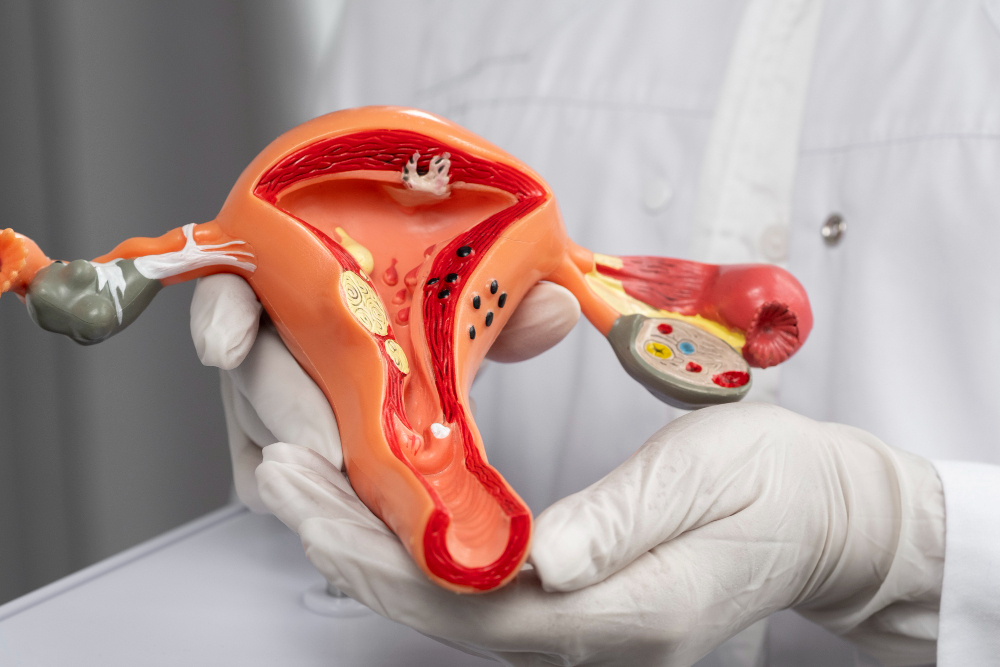
What Are Uterine Fibroids?
Uterine fibroids are non-cancerous growths that form in or on the uterus. Many women develop these growths during their childbearing years. Although fibroids are usually harmless, they can cause discomfort or other health issues. According to the CDC, uterine fibroids are common and can vary in size. Some women may not notice any symptoms, while others may need treatment. Understanding uterine fibroids helps you make informed choices about your health.
Common Symptoms of Uterine Fibroids
Not all women with uterine fibroids have symptoms. However, some common signs may include:
Sometimes, fibroids can cause problems with pregnancy or fertility. If you notice any of these symptoms, it is important to talk to your doctor. Early care can help manage discomfort and prevent complications.
Causes and Risk Factors
Doctors do not know the exact cause of uterine fibroids. However, several factors may increase your risk. For example, family history can play a role. If your mother or sister had fibroids, you may be more likely to get them. Hormones, such as estrogen and progesterone, also affect fibroid growth. In addition, being overweight or starting your period at a young age can raise your risk. According to the CDC, African American women are more likely to develop fibroids than women of other races.
Diagnosis Methods
Doctors use different methods to diagnose uterine fibroids. First, your doctor may ask about your symptoms and medical history. Next, a pelvic exam can help check for changes in the shape of your uterus. Often, doctors use imaging tests to confirm the diagnosis. These may include:
These tests help your doctor decide the best treatment for you. Early diagnosis can make managing fibroids easier.
Treatment Options for Uterine Fibroids
Treatment for uterine fibroids depends on your symptoms, age, and plans for pregnancy. Some women do not need treatment if fibroids are small and cause no problems. However, if you have symptoms, your doctor may suggest:
Medical Treatments
Surgical Treatments
Your doctor will help you choose the best option. Each treatment has benefits and risks. Therefore, it is important to discuss your choices with a healthcare specialist.
Lifestyle Guidance and Self-Care Tips
While you cannot always prevent fibroids, healthy habits may help manage symptoms. For instance, try these tips:
In addition, avoid smoking and limit alcohol. These steps may not cure fibroids, but they can help you feel better each day.
Prevention Strategies
There is no sure way to prevent uterine fibroids. However, some steps may lower your risk. For example, keeping a healthy weight and eating plenty of green vegetables may help. Regular check-ups with your doctor can catch fibroids early. If you have a family history of fibroids, let your doctor know. Early action can make a difference in your care.
When to See a Doctor
If you have heavy periods, pain, or other symptoms, do not wait. Schedule a visit with your healthcare provider. Early diagnosis and treatment can improve your quality of life. For more information.
Remember: Always consult your doctor for advice that fits your needs. Your healthcare specialist at Two Leaf-Urology & Gynecology Clinic can help you find the best path to good health.