
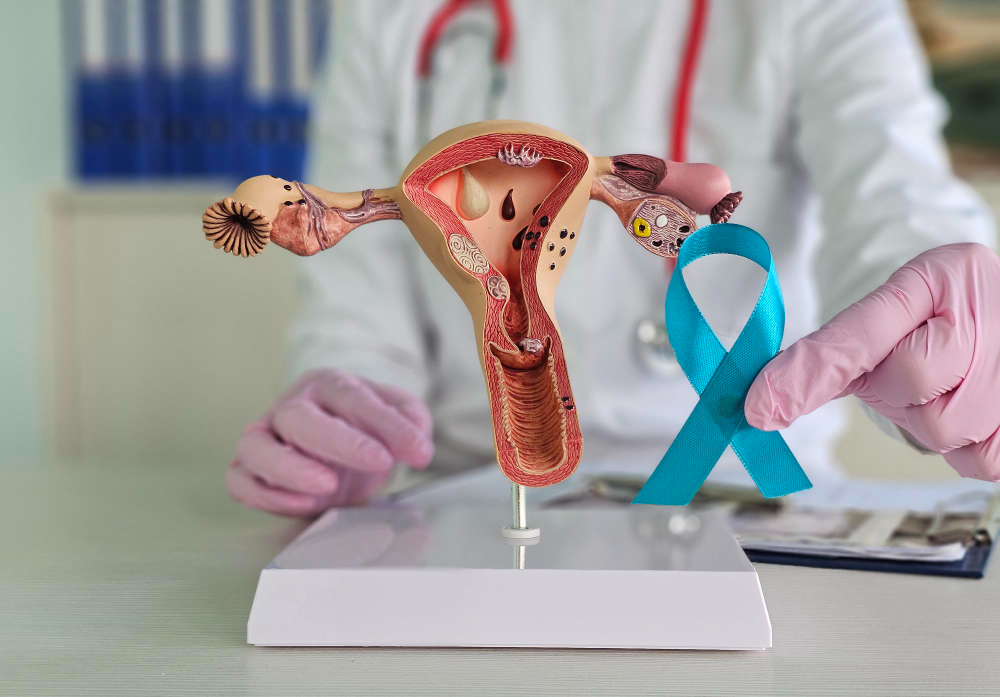
Cervical cancer is a serious disease that starts in the cervix, the lower part of the uterus. Each year, thousands of women worldwide face this diagnosis. Early detection of cervical cancer can save lives. Because of this, knowing the early signs of cervical cancer and understanding prevention is important for everyone. In this blog, you will learn about symptoms, causes, diagnosis, treatment options, and ways to prevent cervical cancer.
Symptoms of Cervical Cancer
Often, cervical cancer does not cause symptoms in its early stages. However, as the disease grows, you may notice changes. For example, some early signs of cervical cancer include:
Because these symptoms can also be caused by other conditions, it is important to see a doctor if you notice any changes. Early detection through cervical cancer screening can make a big difference.
Causes and Risk Factors
Most cases of cervical cancer are linked to the human papillomavirus (HPV). This virus spreads through sexual contact. However, not everyone with HPV will develop cancer. Other risk factors include:
Because HPV and cervical cancer are closely linked, getting the HPV vaccine can lower your risk. According to the World Health Organization (WHO), HPV causes over 95% of cervical cancer cases.
Diagnosis
Doctors use several tests to find cervical cancer early. For example, regular Pap smears (Pap tests) can detect changes in cervical cells before cancer develops. In addition, HPV tests check for the virus that causes most cervical cancers. If results are not normal, your doctor may suggest:
Because early diagnosis leads to better outcomes, regular cervical cancer screening is very important.
Treatment Options
Treatment for cervical cancer depends on the stage of the disease. Your doctor will discuss the best plan for you. Common treatment options include:
Because each person is different, your care team will help you choose the right treatment. Early-stage cervical cancer is often easier to treat and has a better outcome.
Prevention
There are several ways to lower your risk of cervical cancer. For example, following these cervical cancer prevention tips can help:
Because prevention is key, talk to your doctor about the best plan for you. The Centers for Disease Control and Prevention (CDC) recommends HPV vaccination for girls and boys starting at age 11 or 12.
Lifestyle Guidance
Healthy habits can support your overall well-being. For example, you can:
Because your health matters, making small changes can have a big impact. Early action and healthy choices help reduce your risk of cervical cancer.
In summary, knowing the symptoms, causes, and prevention tips for cervical cancer can save lives. If you have concerns or notice any changes, consult a healthcare specialist for personalized advice and care at Two Leaf-Urology & Gynecology Clinic.