
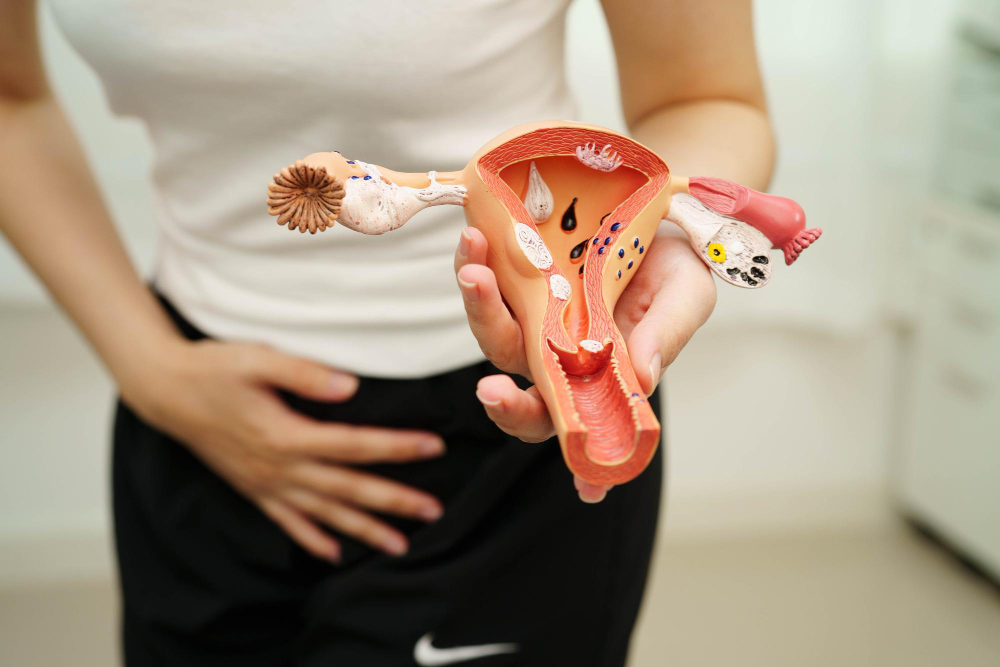
What is Ovarian Torsion?
Ovarian torsion is a serious condition where an ovary twists around the tissues that support it. This twist can block blood flow to the ovary. As a result, the ovary may become damaged if not treated quickly. Ovarian torsion is a medical emergency. It mostly affects women of childbearing age, but it can happen at any age. Early treatment is important to save the ovary and prevent complications.
Symptoms of Ovarian Torsion
Ovarian torsion symptoms can appear suddenly. Because these signs can be similar to other problems, it is important to know what to look for. Common symptoms include:
Sometimes, the pain may spread to the back or thigh. However, not everyone will have all these symptoms. If you notice any of these signs of ovarian torsion, seek help right away.
Causes and Risk Factors
Ovarian torsion happens when the ovary twists. But why does this occur? Several factors can increase the risk:
In rare cases, ovarian torsion can happen without any clear cause. Still, knowing these risk factors can help you stay alert.
How Ovarian Torsion is Diagnosed
Doctors use several steps to diagnose ovarian torsion. First, they will ask about your symptoms and medical history. Next, they will do a physical exam. Because symptoms can look like other problems, tests are needed. Common tests include:
Even with these tests, ovarian torsion can be hard to confirm. Sometimes, doctors only find it during surgery. Quick diagnosis is key to prevent lasting damage.
Treatment Options
Treatment for ovarian torsion usually means surgery. The goal is to untwist the ovary and restore blood flow. There are two main types of surgery:
If the ovary is healthy after untwisting, it can often be saved. However, if it is badly damaged, it may need to be removed. Early treatment gives the best chance to save the ovary.
Prevention and Lifestyle Guidance
While you cannot always prevent ovarian torsion, some steps may lower your risk. For example, regular check-ups can help find ovarian cysts early. If you have a history of ovarian cysts or are taking fertility treatments, talk to your doctor about your risk. Staying alert to new or sudden pain in your lower belly is important. Although lifestyle changes cannot prevent all cases, being aware of your body helps you act quickly if symptoms appear.
When to Seek Medical Help
If you have sudden, severe lower belly pain, do not wait. Especially if the pain is on one side, comes with nausea, or makes you feel faint, seek emergency care. Ovarian torsion can cause permanent damage if not treated fast. Even if you are unsure, it is better to get checked. Quick action can save your ovary and protect your health.
Conclusion
Ovarian torsion is a serious condition that needs fast treatment. Knowing the symptoms, causes, and treatment options can help you act quickly. If you experience symptoms of ovarian torsion, consult Two Leaf-Urology & Gynecology Clinic for personalized care.