
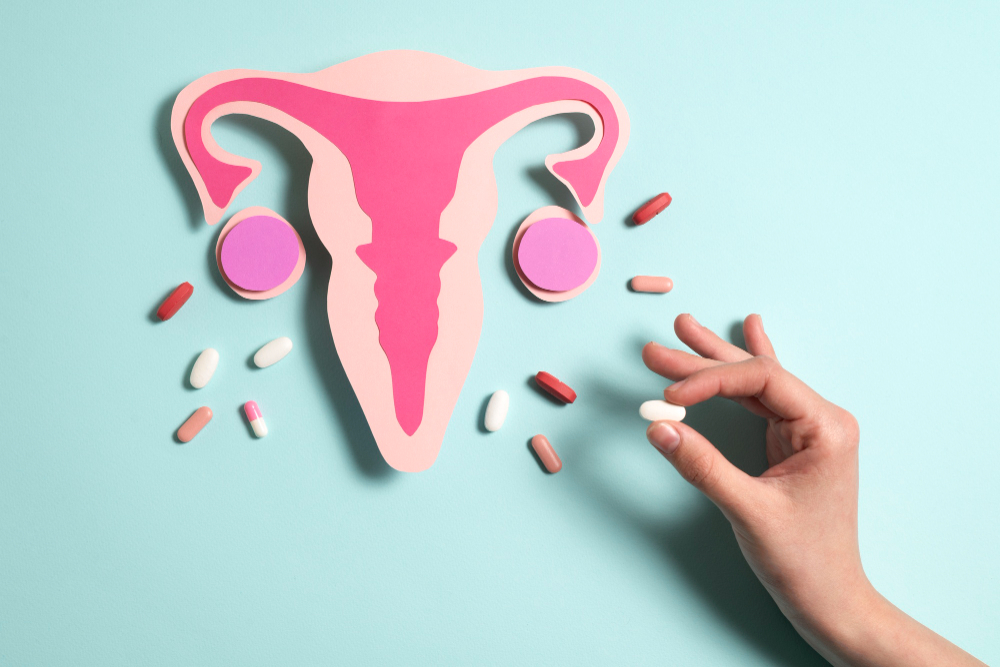
What is a Chocolate Cyst (Endometrioma)?
A chocolate cyst (endometrioma) is a type of ovarian cyst. It forms when tissue similar to the lining of the uterus grows on the ovary. Over time, this tissue fills with old, dark blood, giving the cyst its name. Many women with endometriosis develop these cysts. Because they can affect fertility and cause pain, early detection is important. According to the World Health Organization, endometriosis affects about 10% of women of reproductive age.
Symptoms of Chocolate Cyst
Not all women with a chocolate cyst (endometrioma) have symptoms. However, many do notice changes. For example, you may feel pain or discomfort. Some common chocolate cyst symptoms include:
Sometimes, symptoms can be mild. But for others, pain can disrupt daily life. If you notice any of these signs, it is wise to seek gynecology care.
Causes and Risk Factors
Chocolate cysts form due to endometriosis. In this condition, tissue like the uterus lining grows outside the uterus. When this tissue attaches to the ovary, it can trap blood and form a cyst. Although the exact cause of endometriosis is not clear, several risk factors may increase your chances:
Additionally, some women may have a higher risk due to immune system problems. But, having one or more risk factors does not mean you will definitely develop a chocolate cyst (endometrioma).
Diagnosis
Doctors use several methods for ovarian cyst diagnosis. First, your doctor will ask about your symptoms and medical history. Next, a pelvic exam may be done. Often, an ultrasound is used to look at your ovaries. This test helps spot cysts and see their size and shape. In some cases, MRI scans or blood tests may be needed. Sometimes, a minor surgery called laparoscopy is used to confirm the diagnosis. Early diagnosis helps guide the best endometrioma treatment.
Treatment Options
Treatment for chocolate cyst (endometrioma) depends on your symptoms, age, and plans for pregnancy. Your doctor will discuss the best options for you. Common treatments include:
Sometimes, a combination of treatments is used. However, treatment choice depends on your unique needs. Always talk to your doctor about the risks and benefits.
Prevention and Lifestyle Tips
While you cannot always prevent a chocolate cyst (endometrioma), some steps may help manage symptoms or lower risk. For instance, you can:
Although these tips cannot cure endometriosis, they can improve your overall health. Additionally, regular gynecology care helps catch problems early.
When to See a Doctor
If you have ongoing pelvic pain, heavy periods, or trouble getting pregnant, it is important to see a doctor. Early care can prevent complications. Also, if you notice sudden, severe pain or fever, seek medical help right away. These could be signs of a ruptured cyst or infection. Remember, only a healthcare professional can provide a proper diagnosis and treatment plan.
In summary, chocolate cysts (endometriomas) can cause pain and affect fertility. But with early diagnosis and the right treatment, most women can manage their symptoms well. For personalized advice, consult a gynecologist at Two leaf Urology & Gynecology clinic.