
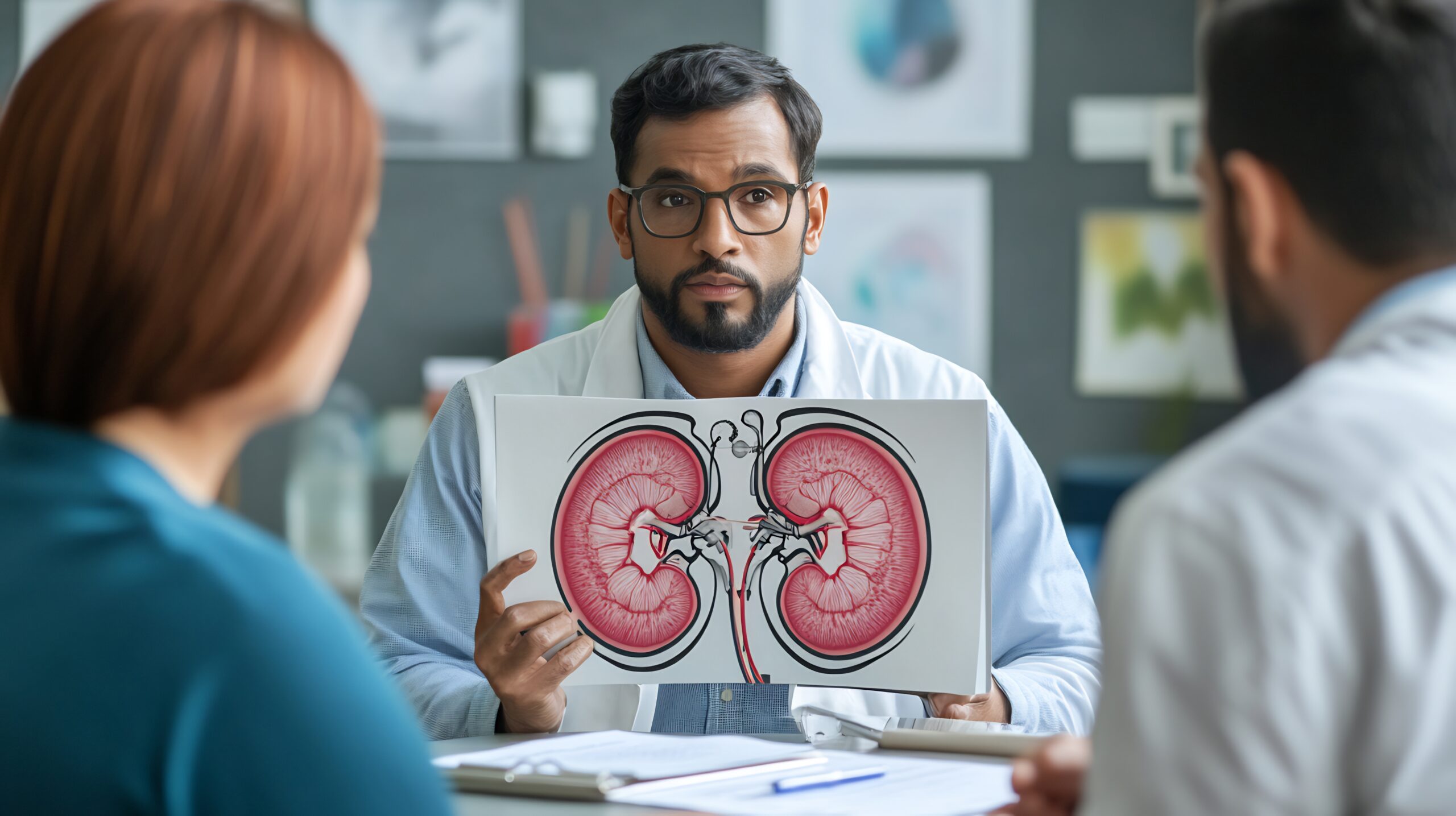
Chronic kidney disease (CKD) is a long-term condition that affects how well your kidneys work. Because kidneys help remove waste and extra fluid from your body, CKD can lead to serious health problems. Managing chronic kidney disease and preventing further damage is very important. Early care can slow the disease and protect your kidney function. In this blog, you will learn about CKD, its symptoms, causes, and ways to manage and prevent further kidney damage.
What is Chronic Kidney Disease?
Chronic kidney disease means your kidneys are not working as well as they should for three months or longer. Over time, CKD can get worse. If not managed, it may lead to kidney failure. However, with the right steps, you can slow its progress.
Common Symptoms of CKD
CKD often develops slowly. At first, you may not notice any symptoms. But as the disease gets worse, you might experience:
Because these symptoms can be mild, it is important to get regular check-ups, especially if you have risk factors.
Main Causes and Risk Factors
Several factors can lead to CKD. The most common causes include:
Additionally, some medicines and infections can harm your kidneys. Knowing your risk can help you take steps to protect your kidney function.
How CKD is Diagnosed
Doctors use simple tests to check for CKD. First, a blood test measures how well your kidneys filter waste. This is called the eGFR test. Next, a urine test checks for protein or blood in your urine. Sometimes, doctors use imaging tests to look at your kidneys. Early diagnosis is key for CKD management and prevention.
Effective Management Strategies for CKD
Managing chronic kidney disease involves several steps. Your doctor may suggest:
With these steps, you can slow CKD and improve your quality of life. According to the National Kidney Foundation, early treatment makes a big difference.
Preventing Further Kidney Damage
To prevent further kidney damage, you should:
Because kidney damage cannot be reversed, prevention is very important. Simple changes can protect your kidney health for years to come.
Lifestyle Tips for Kidney Health
Healthy habits can support your kidneys. For example, you can:
Additionally, regular health checks help catch problems early. These kidney health tips can make a big difference in CKD prevention.
When to Seek Medical Help
If you notice symptoms like swelling, changes in urination, or extreme tiredness, contact your doctor. Also, if you have risk factors for CKD, ask about screening. Early action can prevent serious problems. Never ignore new or worsening symptoms.
Conclusion
Chronic Kidney Disease is a serious condition, but with timely care and proper management, its progression can often be slowed. Following your doctor’s advice, maintaining a healthy lifestyle, and regular monitoring are key to protecting your kidney health. For personalized evaluation and expert guidance, consult the specialists at Two Leaf-Urology & Gynecology Clinic. Early and consistent care can help you manage CKD more effectively and improve long-term outcomes.