
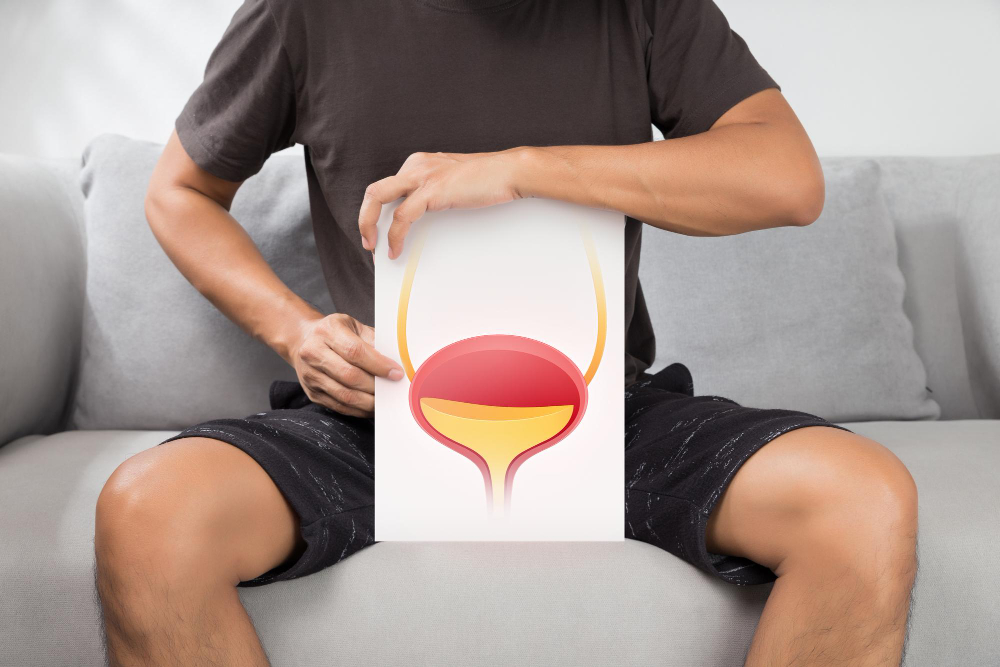
What is Overactive Bladder?
Overactive bladder is a condition that causes a sudden urge to urinate. This urge can be hard to control. Many people with overactive bladder may leak urine or need to use the bathroom often. Because this can affect daily life, it is important to understand the signs and ways to manage it. According to the World Health Organization (WHO), overactive bladder is common, especially as people age. However, it can affect adults of all ages.
Common Symptoms
People with overactive bladder often notice certain signs. For example, you may feel a strong need to urinate even if your bladder is not full. In addition, you might wake up at night to use the bathroom. Here are the most common symptoms:
Although these symptoms can be bothersome, many people find ways to manage urinary urgency with the right help.
Causes and Risk Factors
There are several reasons why someone may develop overactive bladder. Sometimes, the cause is not clear. However, certain factors can increase your risk. For instance, nerve problems or weak bladder muscles may play a role. Here are some common causes and risk factors:
Because these factors can vary, it is important to talk to your doctor if you notice symptoms.
How Overactive Bladder is Diagnosed
Doctors use several steps to diagnose overactive bladder. First, they will ask about your symptoms and medical history. Next, they may perform a physical exam. In many cases, your doctor will ask you to keep a bladder diary. This means you write down when and how often you urinate. Other tests may include:
Because these tests help rule out other problems, they are important for finding the right treatment.
Treatment Options
There are many ways to treat overactive bladder. Treatment depends on your symptoms and health. For example, some people benefit from simple lifestyle changes. Others may need medicine or special therapies. Here are common overactive bladder treatment options:
Because each person is different, your doctor will help you choose the best plan.
Lifestyle Tips and Prevention
Although overactive bladder can be challenging, simple steps may help. For instance, making small changes to your daily habits can improve bladder health. Here are some useful bladder health tips:
Because these tips can make a difference, try to include them in your routine.
When to See a Urologist
If you notice frequent urges to urinate or leaks, it is important to seek help. Although some people feel embarrassed, doctors are trained to help with these issues. You should see a urologist if:
Because early treatment can prevent problems, do not wait to get help.
In summary, overactive bladder is common but manageable. Many people find relief with the right care. Consult a urologist at Two Leaf-Urology & Gynecology Clinic for personalized advice on managing overactive bladder.