
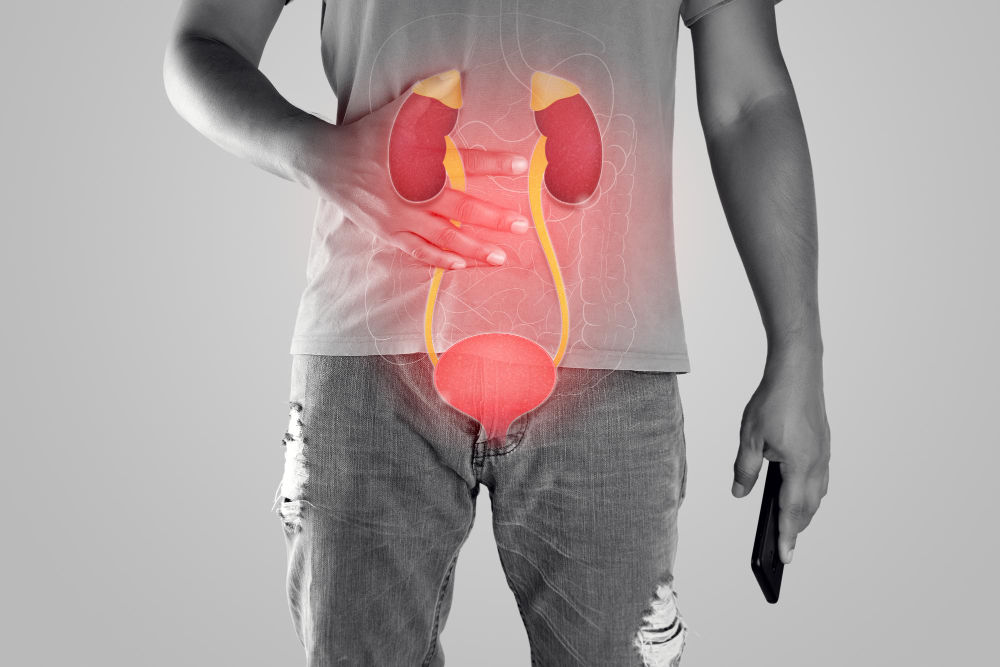
What is Bladder Carcinoma?
Bladder carcinoma, also known as bladder cancer, is a disease where cells in the bladder grow out of control. The bladder is a hollow organ in your lower belly that stores urine. When these cells grow too fast, they can form a tumor. Over time, this tumor may spread to other parts of the body. According to the World Health Organization (WHO), bladder carcinoma is one of the most common cancers worldwide. Early detection can help improve treatment outcomes.
Common Symptoms
Bladder carcinoma can cause several symptoms. However, some people may not notice signs at first. Still, it is important to watch for changes in your body. For example, you may notice:
If you have any of these bladder cancer symptoms, you should talk to your doctor. Sometimes, these signs can be caused by other health problems. But it is always best to check.
Causes and Risk Factors
Many things can increase your risk of bladder carcinoma. While the exact cause is not always clear, several risk factors are known. For instance, smoking is the biggest risk factor. Chemicals in tobacco can damage the bladder lining. In addition, other causes and risks include:
Even though you cannot change some risk factors, you can lower your risk by making healthy choices.
Diagnosis Methods
Doctors use several methods to diagnose bladder carcinoma. Early diagnosis can help improve your chances of successful treatment. If you have symptoms, your doctor may suggest:
Each test helps your doctor learn more about your condition. As a result, they can choose the best treatment for you.
Treatment Options
Treatment for bladder carcinoma depends on the stage and type of cancer. Your doctor will discuss the best plan for you. Common treatment options include:
Sometimes, doctors use a mix of these treatments. Early-stage bladder cancer may need less aggressive treatment. However, advanced cases may require more than one approach.
Lifestyle Tips and Prevention
While not all cases can be prevented, you can lower your risk of bladder carcinoma. For example, you can:
By making these changes, you can help protect your bladder health. In addition, early action can make a big difference.
When to See a Doctor
If you notice blood in your urine or have pain when urinating, you should see a doctor right away. Even if symptoms seem mild, it is important to get checked. Early diagnosis can lead to better treatment results. Also, if you have a family history of bladder cancer or other risk factors, regular check-ups are wise.
In summary, bladder carcinoma is a serious but treatable disease. Knowing the symptoms and risk factors can help you act early. For personalized advice on bladder carcinoma, consult a healthcare specialist at Two Leaf-Urology & Gynecology Clinic.