
Introduction
Endometrial cancer is a type of cancer that starts in the lining of the uterus. This lining is called the endometrium. Because it affects the female reproductive system, it is important to know the symptoms and risk factors. Early detection can help improve treatment outcomes. In this blog, you will learn about endometrial cancer symptoms and risk factors in simple terms. Understanding these signs can help you or your loved ones seek help sooner.
What is Endometrial Cancer?
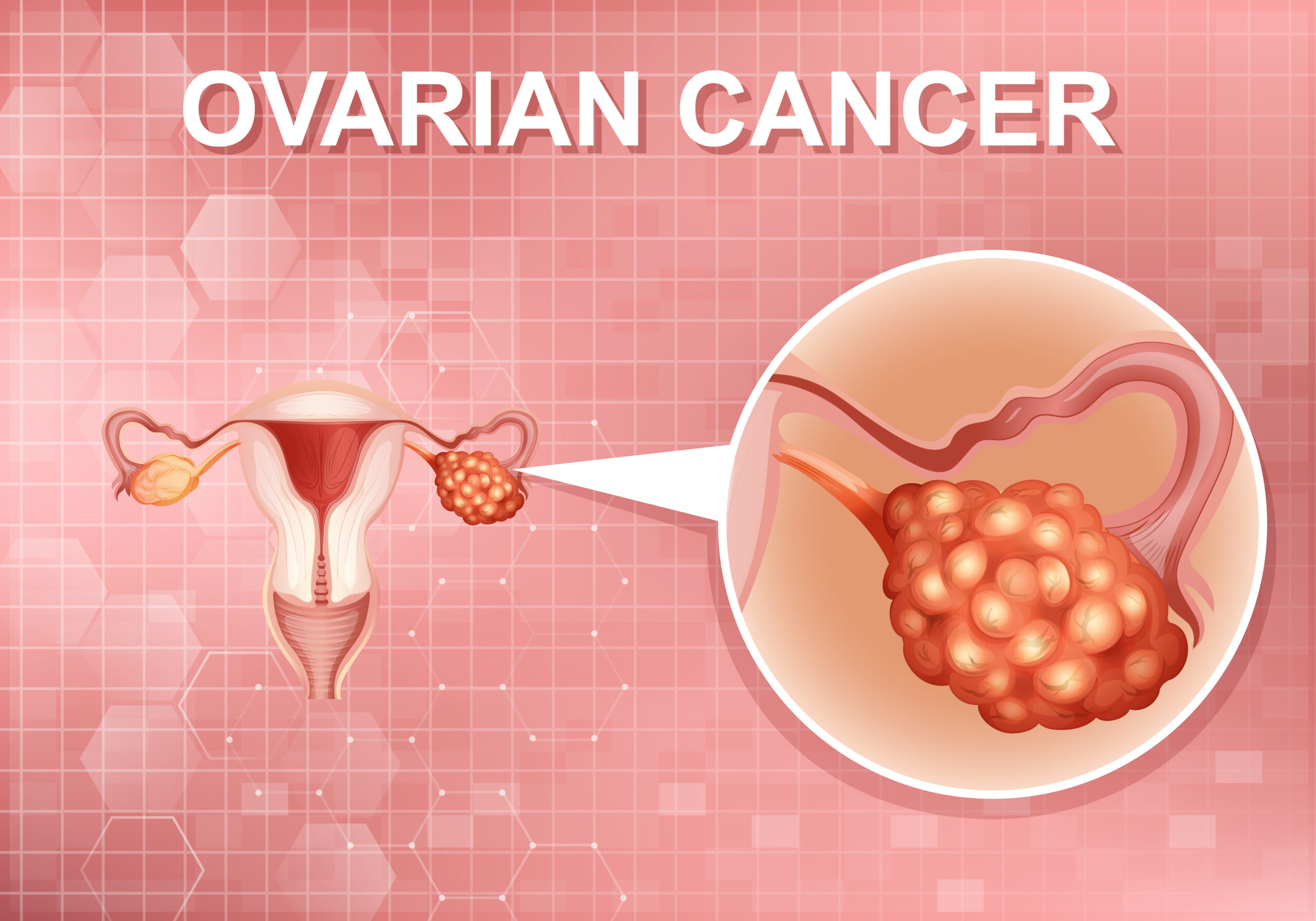
Endometrial cancer begins in the inner lining of the uterus. The uterus is a part of the female reproductive system. Although it is not a direct concern of urology, urologists may work with other doctors when cancers affect nearby organs. Endometrial cancer is one of the most common cancers of the female reproductive organs. However, it can occur at any age.
Common Symptoms of Endometrial Cancer
Recognizing symptoms early can make a big difference. While some symptoms may seem mild, they should not be ignored. Here are the most common signs:
For example, if you notice bleeding after menopause, you should talk to your doctor. Even if the bleeding seems light, it is important to get checked.
Major Risk Factors
Some factors can raise your chance of getting endometrial cancer. Knowing these can help you take steps to lower your risk. The main risk factors include:
Additionally, some rare genetic conditions can increase risk. For instance, Lynch syndrome is one such condition. If you have any of these risk factors, regular check-ups are helpful.
When to See a Doctor
It is always better to be safe. If you notice any unusual bleeding or discharge, see your doctor soon. Even if you think the symptom is minor, early action can help. For example, bleeding after menopause is never normal. Also, if you have pain in your lower belly that does not go away, get it checked. Your doctor can do tests to find the cause. Early diagnosis often leads to better results.
Prevention and Lifestyle Tips
While not all cases can be prevented, you can lower your risk with healthy habits. Here are some tips:
Furthermore, staying informed about your family history can help. If you know you have a higher risk, ask your doctor about screening options. Simple lifestyle changes can make a big difference over time.
Conclusion
In summary, endometrial cancer is a serious condition, but early detection can help. Knowing the symptoms and risk factors is the first step. If you notice any warning signs, do not wait. Consult Two Leaf-Urology & Gynecology Clinic for personalized advice and regular check-ups. Your health is important, so take action today.