
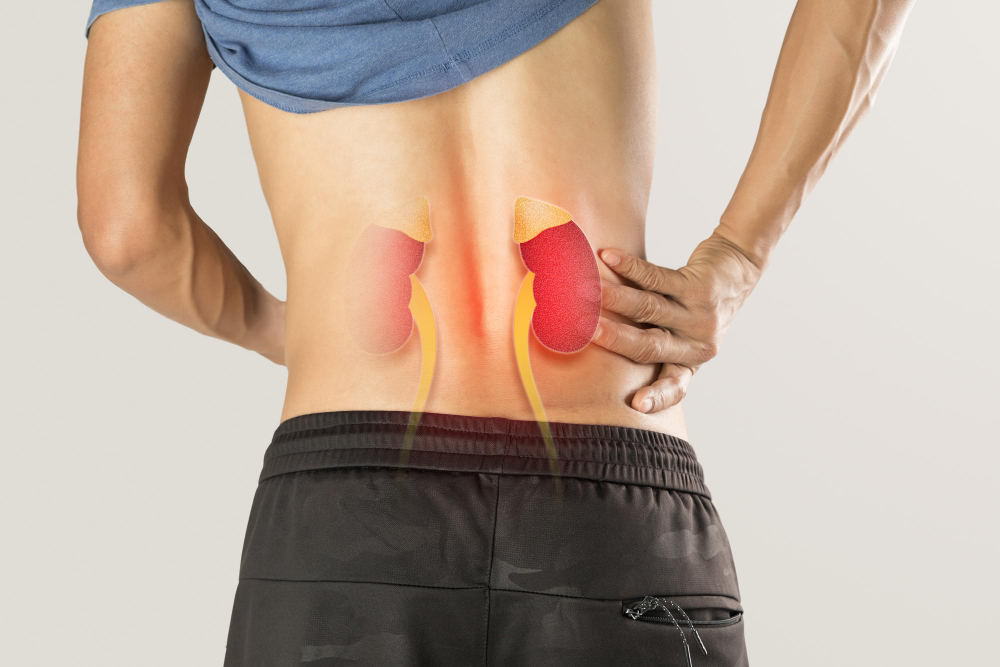
What Are Kidney Stones?
Kidney stones are hard lumps that form inside your kidneys. They are made from minerals and salts. Often, these stones can cause pain and other problems. Many people want to know about kidney stone symptoms, causes, and treatment options. Understanding how to prevent kidney stones can help you stay healthy.
Kidney stones can be as small as a grain of sand or as large as a pebble. Sometimes, they pass out of the body on their own. However, larger stones may need medical help.
Symptoms of Kidney Stones
Not everyone with kidney stones has symptoms. But when a stone moves, it can cause pain. For example, you may feel pain in your back or side. Sometimes, the pain moves to your lower belly or groin. The pain often comes and goes.
If you notice these kidney stone symptoms, you should talk to your doctor.
Causes and Risk Factors
Kidney stones form when minerals build up in your urine. This can happen if you do not drink enough water. In addition, some foods and medical conditions can raise your risk.
Common causes and risk factors include:
Because these factors can add up, it is important to know your risks.
Diagnosis of Kidney Stones
Doctors use several tests to find kidney stones. First, they may ask about your symptoms. Next, they might check your urine and blood. These tests help find signs of stones or infection.
Imaging tests, such as:
These tests show the size and location of the stone. With this information, your doctor can suggest the best kidney stone treatment options.
Treatment Options for Kidney Stones
Treatment depends on the size and type of stone. Small stones often pass on their own. In these cases, drinking plenty of water can help. However, larger stones may need more care.
Common kidney stone treatment options include:
Your doctor will choose the best treatment for you. According to the CDC, most stones can be treated without surgery.
Prevention Tips for Kidney Stones
Although kidney stones can be painful, you can take steps to prevent them. For example, drinking enough water each day is very important. In addition, making healthy food choices can lower your risk.
To help prevent kidney stones:
Because prevention is easier than treatment, these tips can help you stay healthy.
When to See a Doctor
Sometimes, kidney stones can cause serious problems. If you have severe pain, fever, or cannot pass urine, seek medical help right away. Also, if you see blood in your urine, call your doctor.
Early treatment can prevent more serious issues. If you need kidney stone treatment in your area, ask your doctor for advice.
Conclusion
Kidney stones are common, but you can manage and prevent them. By knowing the symptoms and causes, you can take action early. If you have concerns, consult a urologist at Two Leaf-Urology & Gynecology Clinic for personalized advice on kidney stones.