
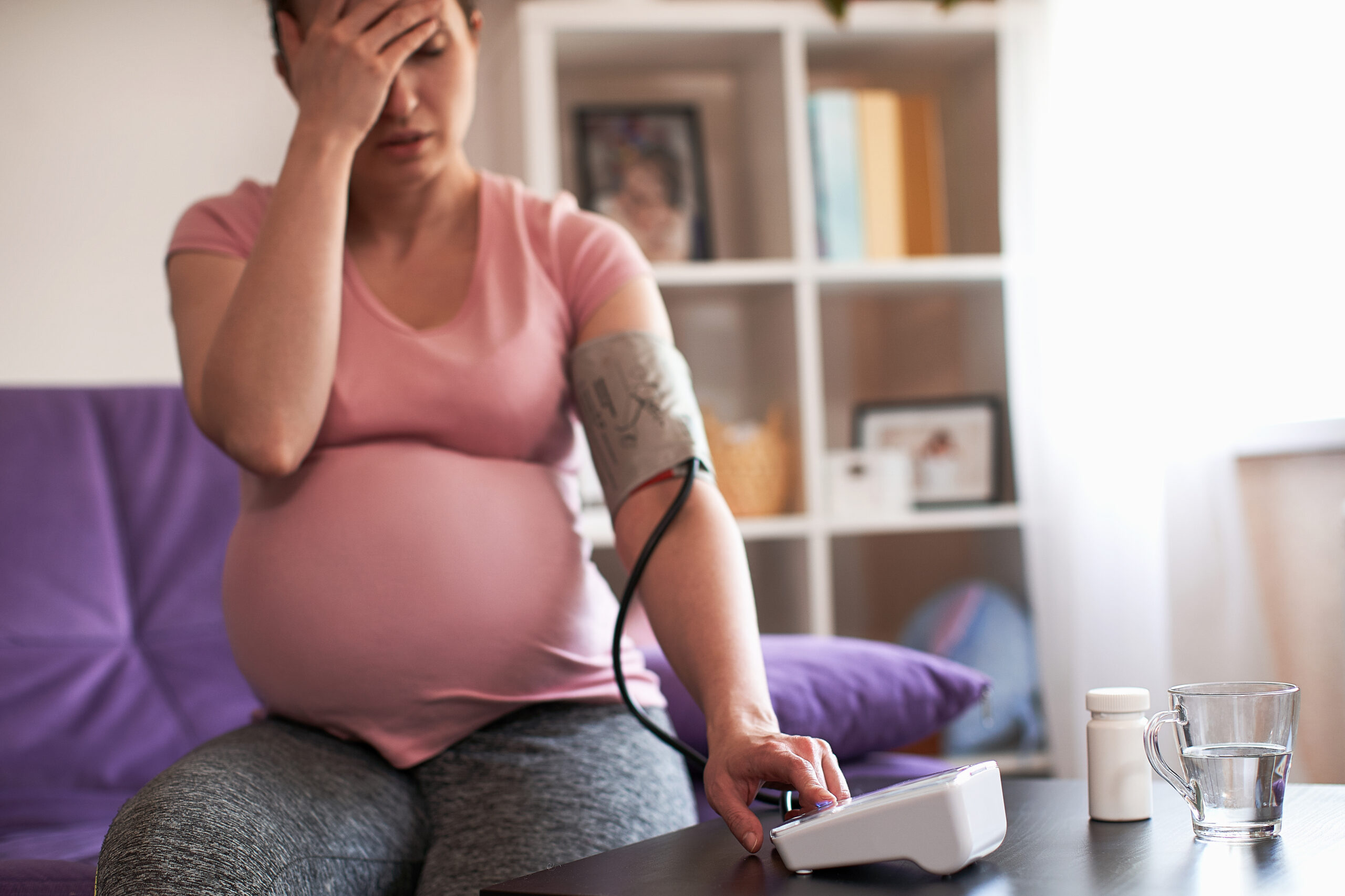
Preeclampsia is a serious condition that can happen during pregnancy. It causes high blood pressure and can harm both mother and baby. Because preeclampsia can lead to pregnancy complications, it is important to know the signs and how it can be managed. Early care and regular checkups can help keep you and your baby safe.
What is Preeclampsia?
Preeclampsia is a health problem that usually starts after 20 weeks of pregnancy. It causes high blood pressure in pregnancy and can affect organs like the liver and kidneys. Sometimes, it can also cause swelling and protein in the urine. Although it can be mild, it may become severe if not treated. For this reason, doctors watch for signs of preeclampsia at every prenatal visit.
Common Symptoms of Preeclampsia
While some women may not notice symptoms, others may feel unwell. Early detection is key. Watch for these signs:
If you notice any of these symptoms, contact your doctor right away. Quick action can help prevent serious problems.
Causes and Risk Factors
Doctors do not know the exact cause of preeclampsia. However, some factors can raise your risk. Knowing these can help you stay alert:
Even if you have risk factors, you can still have a healthy pregnancy with good care.
How is Preeclampsia Diagnosed?
Doctors use several steps to check for preeclampsia. Regular prenatal visits are important. At each visit, your doctor will:
Because preeclampsia can develop quickly, early diagnosis helps prevent complications.
Management and Treatment Options
Treatment depends on how severe the preeclampsia is and how far along you are in pregnancy. Your doctor may suggest:
Sometimes, delivering the baby is the only way to cure preeclampsia. However, doctors try to keep you and your baby healthy as long as possible.
Tips for Prevention and Healthy Pregnancy
Although preeclampsia cannot always be prevented, you can lower your risk. Try these tips for a healthy pregnancy:
With regular care, many women have healthy pregnancies even with risk factors.
When to Seek Medical Help
It is important to know when to call your doctor. Seek help right away if you have:
Early detection and timely treatment can significantly reduce the risk of complications for both mother and baby. If you have concerns about Preeclampsia or high blood pressure during pregnancy, don’t delay seeking medical care. Consult the specialists at Two Leaf-Urology & Gynecology Clinic for expert evaluation and personalized pregnancy care. Professional guidance can help ensure a safer pregnancy and better health outcomes for you and your baby.